Figures reported by the manufacturer
- Vehicles in strategic agreement
- 100
- Vehicles in first delivery
- 30
The announcement: distinguish an agreement from deliveries
SINOTRUK reported on 19 October a 100-vehicle HOWO TX refrigerated-truck agreement in Kunming, Yunnan, with 30 delivered initially. The release does not date the ceremony or specify each vehicle's powertrain and refrigeration equipment.
LAIYI analysis: examine uptime support, not just a unit price
For a cold-chain fleet, a parts request can be assessed as one complete downtime event: how the fault is identified, who confirms the replacement, who installs it after arrival and when the vehicle can return to its assignment. A low quotation without those handovers may leave the operating problem unresolved.
This is a way to examine a service proposal, not a finding about the reliability or maintenance cost of these trucks. Questions about the provider's specific response scope and handover process are more useful than a general comparison of brands.
LAIYI analysis: identify the chassis and refrigeration equipment separately
When investigating a refrigerated vehicle's parts requirements, record the chassis, engine and refrigeration-unit identifiers separately, then establish who provides technical support for each relevant system. A model name is a starting reference, not a substitute for configuration details.
For a request involving electrical supply, a drive or a pipe connection, first identify the system concerned, then check the complete part number and specification. These are review questions; they do not describe the delivered vehicles' construction or establish interchangeability.
LAIYI analysis: what must be checked before applying the example elsewhere?
Buyers in Russia and other markets can use this case to review their own support arrangements without assuming the same vehicle configuration. Discuss the operating region, temperature range, routes, workshop conditions and vehicle identifiers together with a potential supplier.
The resulting requirements sheet should distinguish vehicle facts from purchasing preferences and unresolved technical questions. Genuine parts and aftermarket alternatives should also be identified in the actual quotation; a model name in a news report does not establish the proposed supply type.
What to watch: verifiable support beyond a delivery announcement
If the manufacturer later publishes detailed configurations, parts catalogs, repair documentation or service-network arrangements, those materials will be more useful for assessing aftermarket opportunities than the size of a single agreement. Watch for consistent identification rules and service that can actually be provided in the operating region.
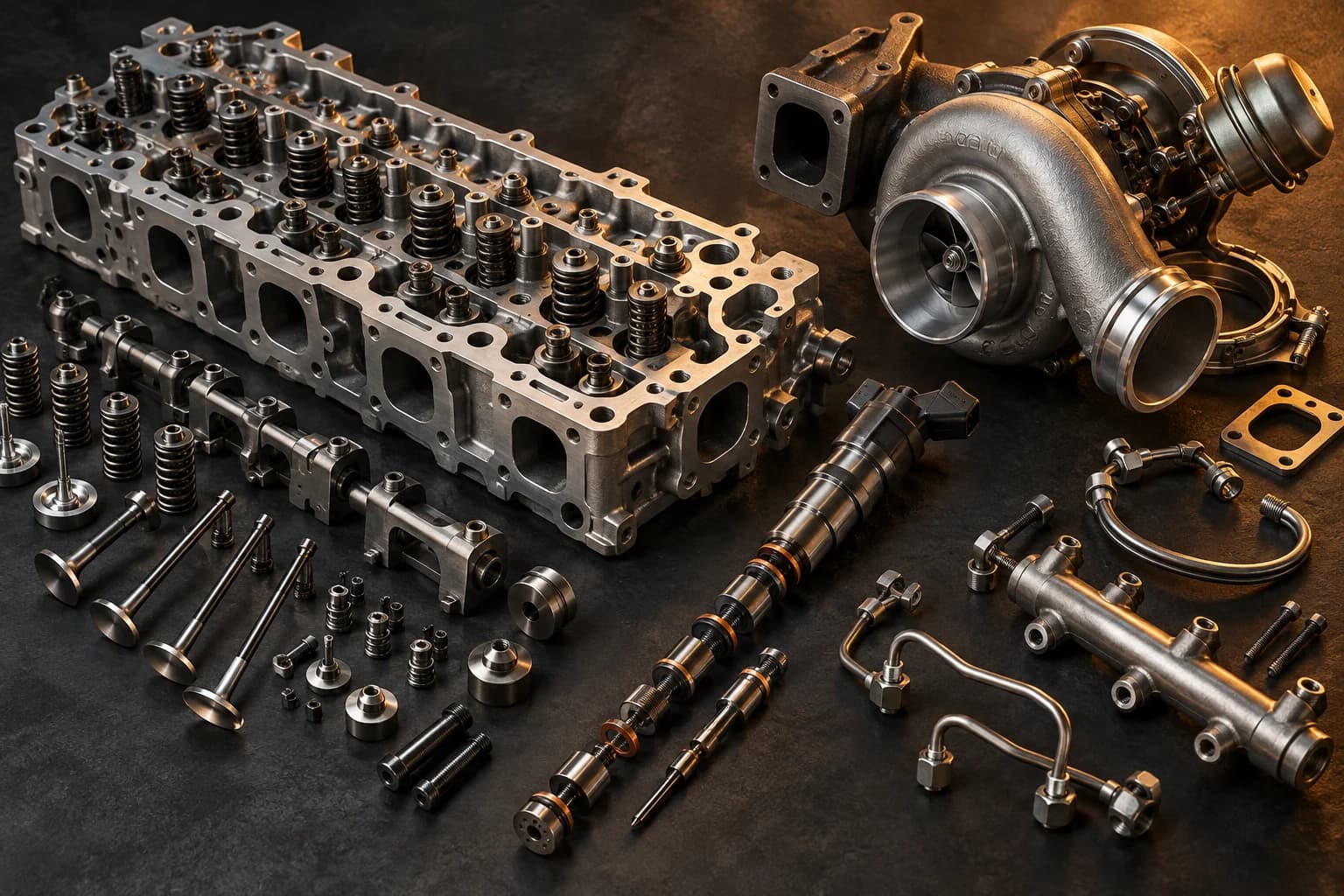
This is independent industry commentary based on the linked announcement. The cover is an AI illustration, not a photograph of the delivery. LAIYI did not participate in the project; this article does not establish manufacturer authorization, available stock or confirmed fitment for these vehicles.
Sources and related resources
Manufacturer data and announcements are attributed to the sources above. LAIYI's interpretation is editorial analysis; it does not imply manufacturer endorsement.